


Why We Built Champ AI
Why we built Champ AI: the story behind building an AI platform for autonomous operations, designed for back-office workflows that traditional software, low-code tools, and offshore teams could never fully reach.

Champ AI began with a simple belief. AI agents could help companies run operations more efficiently.
Before starting our company, we spent 9 years together at Instacart. We experienced first-hand the scale of operational challenges growth can bring to a business. Behind the consumer-facing app that made grocery delivery possible, there were armies of teams trying to ensure all four sides of the marketplace came together and worked efficiently. But they often had to deal with fragmented tools and fast-changing SOPs, which made it harder for us to scale quickly.
We saw how AI was quickly changing how software engineers did their jobs. But there was a massive gap between what the models are capable of v/s how operations teams were using it on a daily basis.
The human API inside operations
At any company operating at scale, massive invisible machinery keeps the product running. Sitting with ops teams, we saw how they handled routine situations, including something as simple as a user reaching out about the status of their delivery or insurance claim.
The user’s email created a ticket on one platform, which the operator viewed first. To find the right policy, the operator opened a second tool. To reply, they copy-pasted from a shared Google Doc. For edge cases, they pinged Slack. Account details lived in an internal dashboard.
6 or 7 windows open, just to resolve one situation for one person.
This pattern does not reflect poorly on any company. It exists everywhere, because it is how complex operations at scale actually work. When you call an airline, submit an insurance claim, or close on a house, a person is doing some version of the same thing.
Much of this work is not creative problem solving. It is context assembly under pressure. The operator reads from one system, checks another, applies policy, and enters the result elsewhere.
In those moments, the human becomes the integration layer between systems that do not talk to each other. A human API, literally. They receive input from one system, apply judgment against a written rule, and produce output into another, 8 hours a day.
We saw the same pattern building logistics systems at Instacart. Every time a new market was launched or a new operational requirement had to be stood up, the process started with manual heuristics. Those rules had to be agreed upon, then implemented by an engineer. Ops teams had no way to test a new process without pulling an engineer in. The practical answer was always to add people, because that was faster than waiting for engineering bandwidth.
The structural truth about ‘manual’ work
When a company tells you a workflow is manual, the immediate assumption is inefficiency. That is never the full explanation.
A workflow is usually manual for two structural reasons.
First is resource allocation. Not every operational edge case can become an engineering priority, so the work stays manual because it was never prioritized.
Second is structural limitation. Before AI, certain work could not be turned into software regardless of resources. Processing an insurance claim requires logging into an external carrier portal. Reconciling a shipment involves downloading a PDF, extracting fields, and entering them into a different system.
These workflows touch systems with only web interfaces and no APIs. The work stayed manual because traditional software genuinely could not reach it.
Offshore operations made this gap economically manageable, but they did not close it. Process drift, quality variance, and institutional knowledge loss are the hidden costs. And when volumes spike or a process needs to change, the underlying fragility surfaces immediately.
Why AI changes the boundary, and why existing tools fall short
What changed is not that AI is generally smarter. What changed is the surface area of what is automatable. A large class of operational work that lived in external portals, PDFs, phone calls, and exception queues is now reachable in ways it was not 2 years ago.
AI can now navigate a portal that exposes no API, read an inconsistently formatted document, extract the relevant fields, and handle enough context to decide what should happen next.
The reason existing tools do not solve this is not a simple feature gap. Low-code automation platforms and RPA tools were built before this generation of AI, and their architectures reflect that. They are platforms for building automations. Champ AI is a platform for automating your operations. That is a different starting assumption. We focus on a specific set of building blocks like browser automation, document processing, and voice calling, which are designed to represent an ops worker’s daily jobs to be done. The depth on those modalities is what matters, not breadth across integrations.
The distinction between what Champ AI does and what a chatbot does is also worth being precise about. A chatbot generates a response by gathering information. Champ AI orchestrates and executes a workflow. One produces an answer. The other runs steps across systems until the workflow is complete.
From prototype to production
A capable engineer could put together a working prototype using browser automation, a language model, and some scripting. If the workflow clearly justified scarce engineering time, it would not have spent years in a manual ops process. The work was essential, but rarely the company's top engineering priority.
You could argue that an ops worker could vibe-code it with tools like Claude Code. But there is a meaningful gap between making something work once and having it work reliably in production.
Internal builds often end up as fragile scripts on someone's laptop. When that person is out, the workflow stops. When a portal changes its layout, the script breaks silently and nobody notices until a backlog builds. You still need a centralized platform to document the processes, set up integrations, monitor performance, provide feedback to agents, and most importantly - maintain best security and data handling practices.
We describe Champ AI internally as GitHub + AWS for operational workflows.
GitHub, because every process needs a shared source of truth: versioned, inspectable, and improvable. AWS, because the workflow also needs a secure and reliable execution environment where it can run, recover, and scale.The underlying models change every few months. An internal team building on top of them has to continuously update their tooling just to keep up.
For Champ AI, that is our very job.
Built for enterprise from day one
Some of the most expensive operational workflows reside in complex and regulated industries like healthcare, logistics, payroll services, among others. Any platform asking to run that work, has to meet enterprise standards from day one. We built Champ AI with that assumption.
Champ AI is SOC 2 Type II compliant and HIPAA certified. For customers with stricter requirements, we offer VPC deployment so the execution environment runs entirely within their own cloud infrastructure. Access controls, audit logging, and data handling are designed around the question that actually matters to a security team — who can touch what, and exactly how that is enforced.
The proof point exists today. It is who already trusts us with this work. Champ AI is now in production with large public companies and regulated industries, running workflows that touch protected health information, payment data, and customer records.
The era of autonomous operations
Champ AI is the AI platform for autonomous operations. We build industry-tailored AI agents that browse, read, call and work on behalf of your team. This allows enterprises to scale their back-office operations, without having to scale headcount significantly.
This category has always been treated as a mixture of point solutions and offshore teams. We are building a platform that brings them under one place. We are building AI agents capable enough to execute the work, and an operational discipline strong enough for compliance-sensitive environments to trust it.
The market was wrong about something fundamental — that you need more and more people to grow your business. That you have to outsource operations to scale sustainably.
Now, those assumptions are starting to break. Companies building around that shift now, will run operations in a meaningfully different way than those still treating every new process requirement as a headcount conversation.
We built Champ AI to make that shift possible.
If you have a high-volume, repetitive workflow still running across portals, documents, phone calls, approvals, and human handoffs, bring us one workflow.
We will show you what can be automated, what still needs human judgment, and what it would take to run it safely in production.
Talk to our team to get started.
Continue reading
See all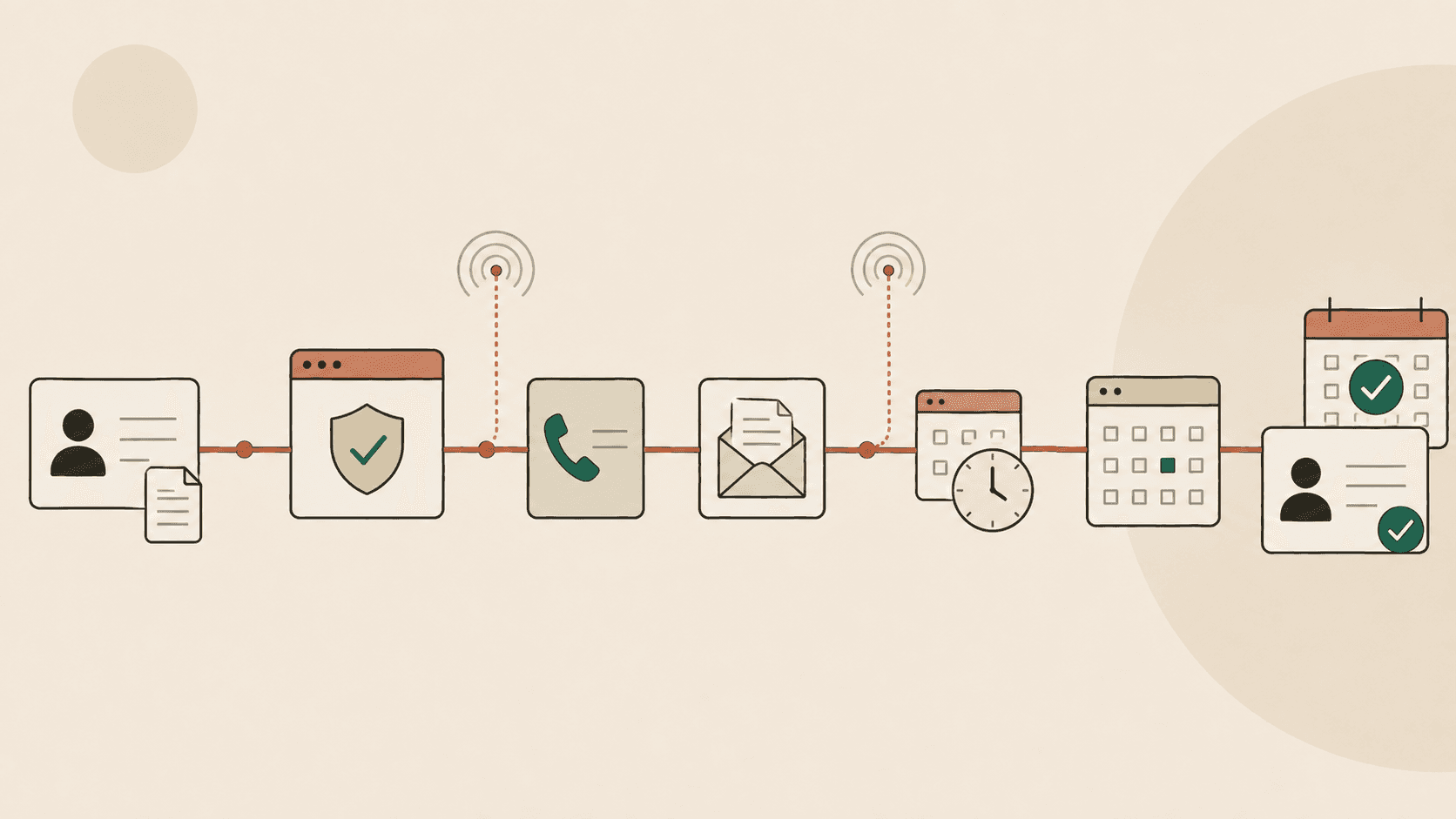
The World Doesn't Need Another Point Solution
Most software automates one step and leaves people to manage the gaps. Champ keeps one case open across workflows, channels, and systems until the work is finished.
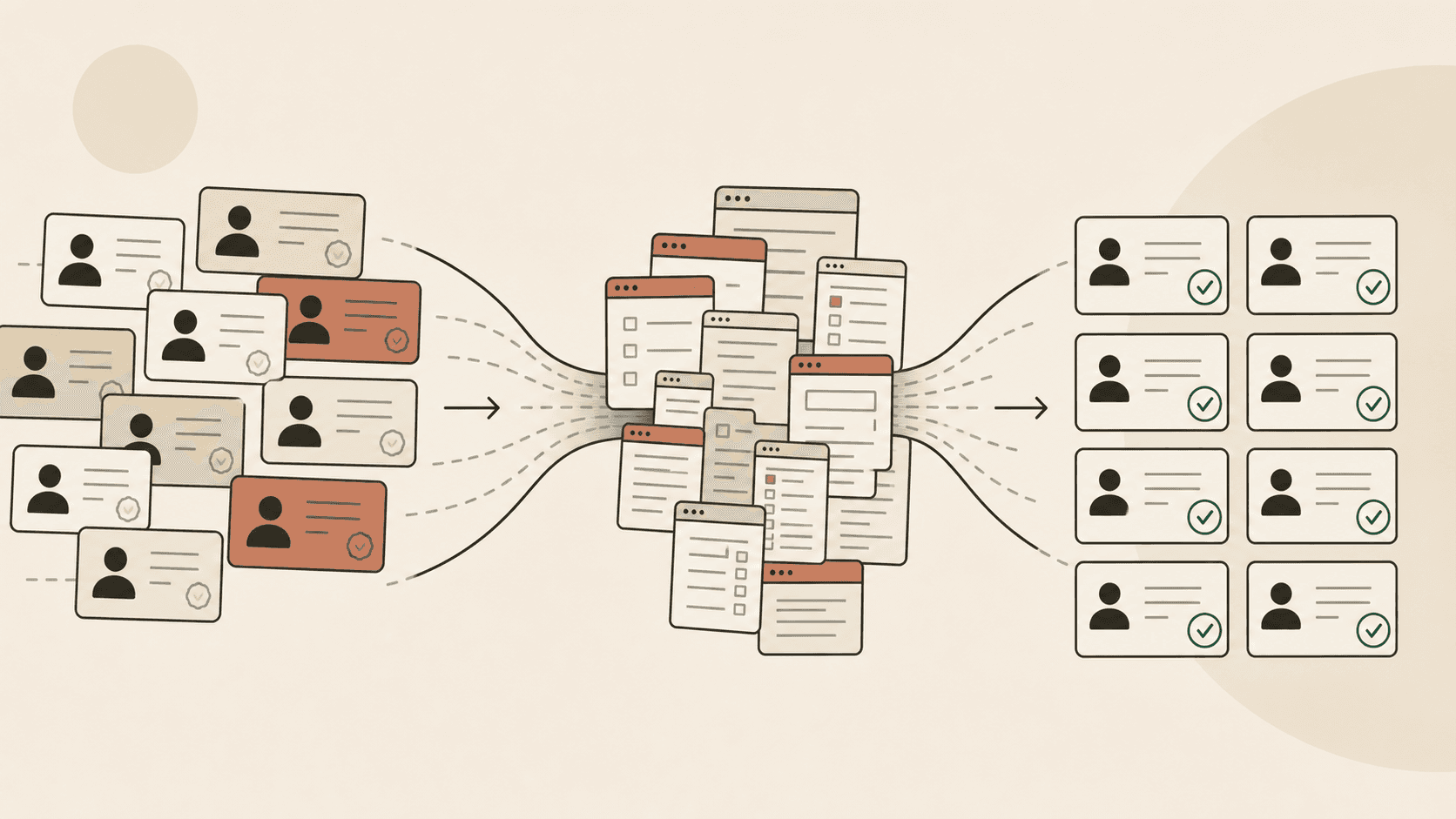
The Hidden Tax on Provider Growth
Digital-health networks can recruit providers faster than they can make them billable. The gap between a signed contract and payer activation is the hidden tax on provider growth.
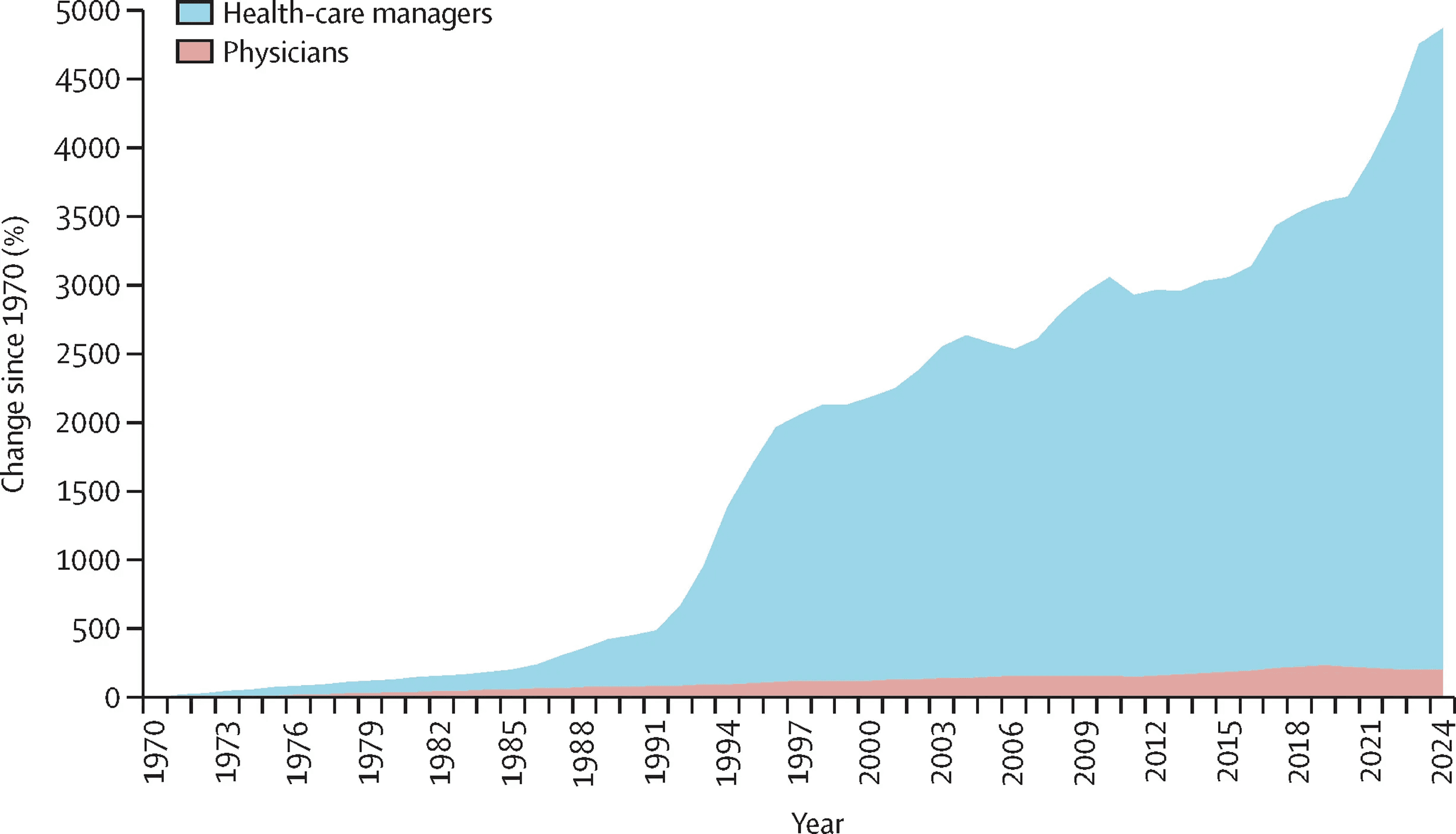
The Healthcare Ops Bottleneck AI Is Finally Ready to Solve
Healthcare’s hardest workflows live between portals, PDFs, phone calls, and internal systems. Here is how Champ automates the work between them.