


The World Doesn't Need Another Point Solution
Most software automates one step and leaves people to manage the gaps. Champ keeps one case open across workflows, channels, and systems until the work is finished.

Operations teams do not set out to verify a benefit, collect a document, or send a reminder. They are trying to get a patient into care, deliver a shipment, or activate a provider.
Most software is sold one step at a time. A referral product receives the referral. A benefits product checks coverage. An authorization product submits to the payer. An outreach product contacts the patient. A scheduling product books the visit.
The boundaries look tidy in a systems diagram. In practice, each one creates a queue. Someone has to move the data, compare two versions of the truth, notice when a response never arrives, and decide which system to open next.
AI vendors have mostly copied those same boundaries. The point solution has become a point agent: one for faxes, one for phone calls, one for portals, one for scheduling.
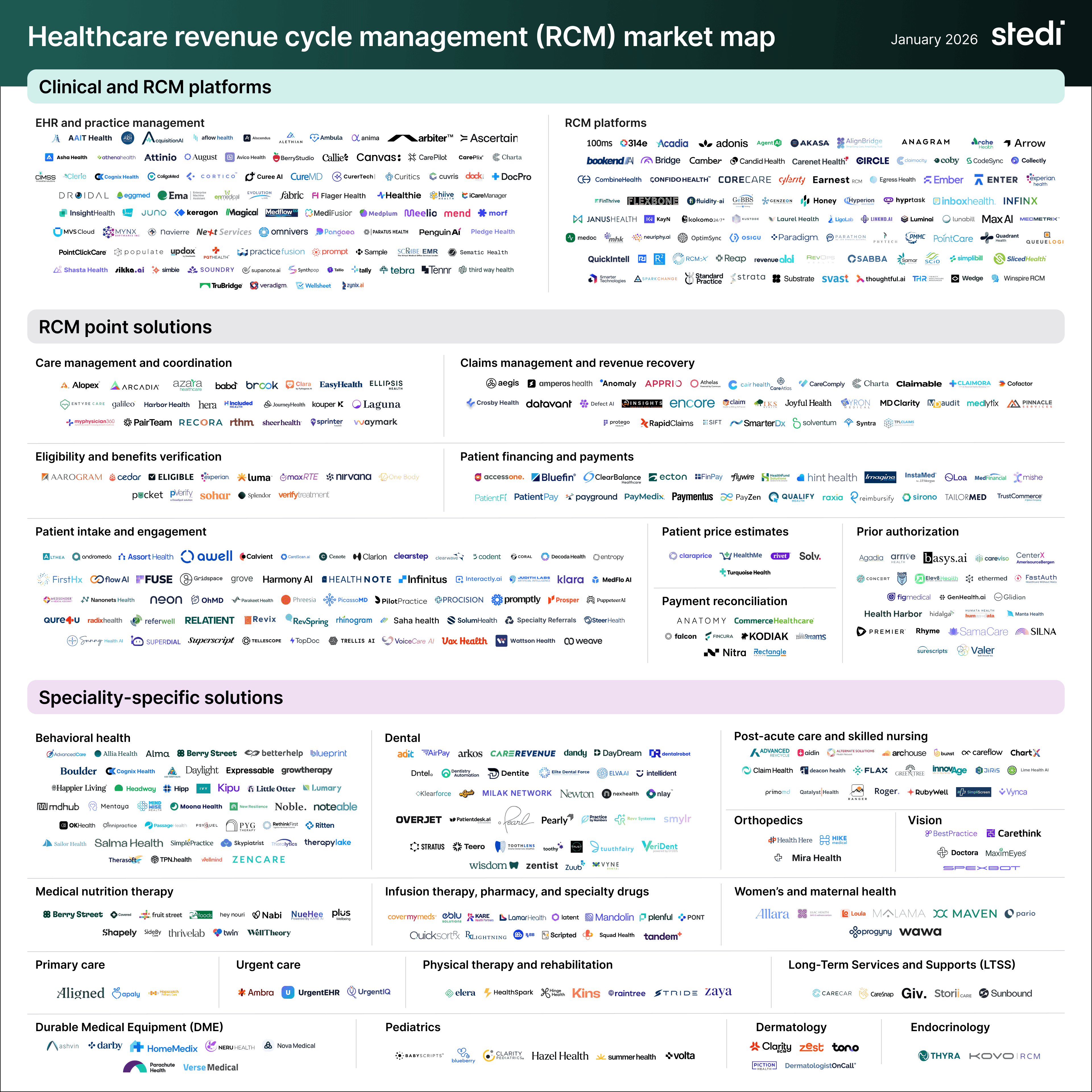
Why should the agent stop there?
The same system can read the referral, check the payer portal, make a call, ask for a missing document, follow up three days later, text the patient, and update the EHR. For the first time, it is entirely possible to automate the job rather than one screen in the job.
The case is the unit of work
A process that lasts for weeks cannot live inside one model call. It needs a durable record.
Champ calls that record a case. The case represents the real thing being worked on: a referral, a shipment exception, a claim, or an application. It keeps the current state, the relevant facts, the event history, and the target outcome.
Workflows do the immediate work. A run might read a document, call an API, operate a browser, send a message, or ask for approval. The run can finish while the case remains open.
The case state machine defines what can happen next. An authorization case might move from open to submitted, then to needs information, then to approved and scheduled. Each transition is recorded. Later runs start with the history and state produced by earlier ones.
Proactive monitoring handles the time between runs. Champ can wait for a payer response, a carrier scan, or an applicant document without forgetting the case. A new event or missed deadline wakes the case and starts the next run. Monitoring stops when the outcome is reached.
A model may work for a few minutes. The case can remain active for months. That is the power of long-horizon agents.
Champ does not intend to replace the EHR, TMS, CRM, payer portal, or identity provider. Those systems still hold records and provide access to specialized networks. But Champ can own the work that moves among them.
Replacing every system would create another sprawling software project. Owning the case means Champ can coordinate the existing systems, retain context between actions, and keep working until the outcome is clear.
Healthcare: from referral to care
Suppose a referral arrives as a fax. Champ reads it, checks the required fields, creates the case, and updates the EHR. It verifies coverage through an API, portal, or phone call. If authorization is required, Champ assembles the submission and sends it to the payer.
The payer asks for a clinical note. That request lands on the existing case, not in a new queue. Champ identifies the missing document and contacts the provider. When the note arrives, Champ submits it and starts watching for a payer decision.
Five days pass without a response. The monitor wakes the case. Champ checks the portal and calls the payer if needed. After approval, it contacts the patient, offers available times, books the visit, and records the result in the EHR.
A software catalog lists referral intake, benefits verification, prior authorization, document collection, payer follow-up, outreach, and scheduling as separate categories. The patient experiences one process. The operations team should be able to manage it as one case.
Logistics: from exception to resolution
A shipment disappears between scans. The visibility system raises an alert, but the alert is not the outcome. The shipment still needs to be found, delivered, replaced, refunded, or claimed.
Champ opens a case, checks the carrier and transportation management systems, and informs the customer. It watches for the next scan. If the service window expires, it contacts the carrier. If the shipment is lost, it gathers the documents and opens a claim. The case closes on a business result, not on the first notification.
Marketplaces: from application to activation
Provider onboarding often spans application software, identity verification, document collection, background checks, communications, and account provisioning. Each product handles a task. The marketplace still needs an answer to one question: can this provider be activated?
Champ can keep one provider case through the full process. It requests missing documents, checks external systems, changes the follow-up channel when messages go unanswered, routes uncertain results to a person, and provisions the account after approval. Months later, the same case can wake for a license renewal.
A platform, not a bag of agents
A fax parser, a calling agent, and a scheduling agent can each look impressive in a demo. Put them together and the customer still has to define their handoffs, reconcile their state, and work out which one owns a failure.
Champ specializes at the level of the task without fragmenting ownership of the case. Documents, browsers, APIs, voice, messaging, approvals, timers, and human review all work against the same record and state machine. A team can start with one part of a process, then extend it without buying another coordination product.
Long-horizon does not mean that one model thinks continuously for months. It means the system remembers the case, knows what should happen next, waits without losing context, and acts when the world changes.
That is how automation moves from completed tasks to completed work.
Continue reading
See all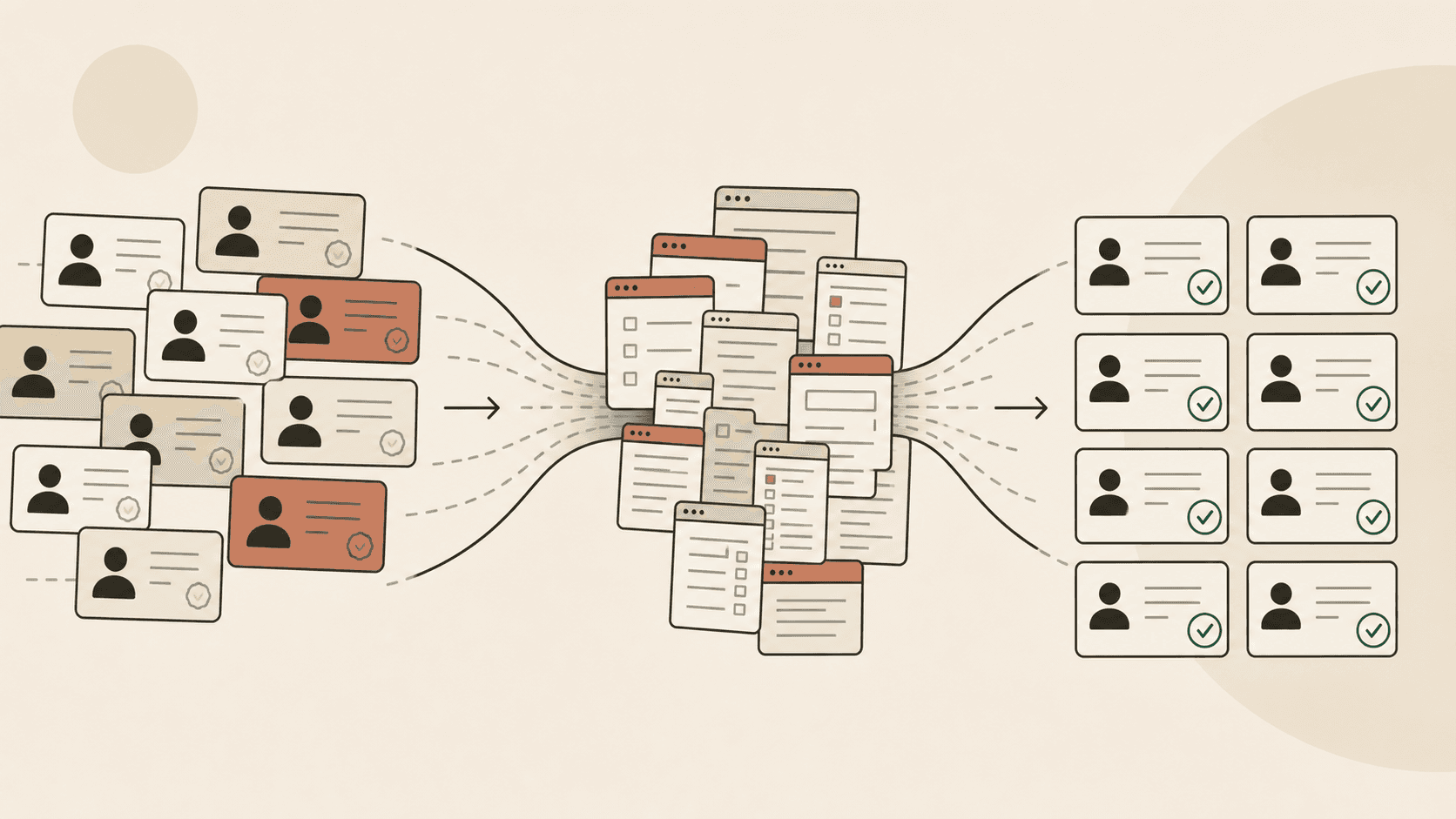
The Hidden Tax on Provider Growth
Digital-health networks can recruit providers faster than they can make them billable. The gap between a signed contract and payer activation is the hidden tax on provider growth.
The Healthcare Ops Bottleneck AI Is Finally Ready to Solve
Healthcare’s hardest workflows live between portals, PDFs, phone calls, and internal systems. Here is how Champ automates the work between them.
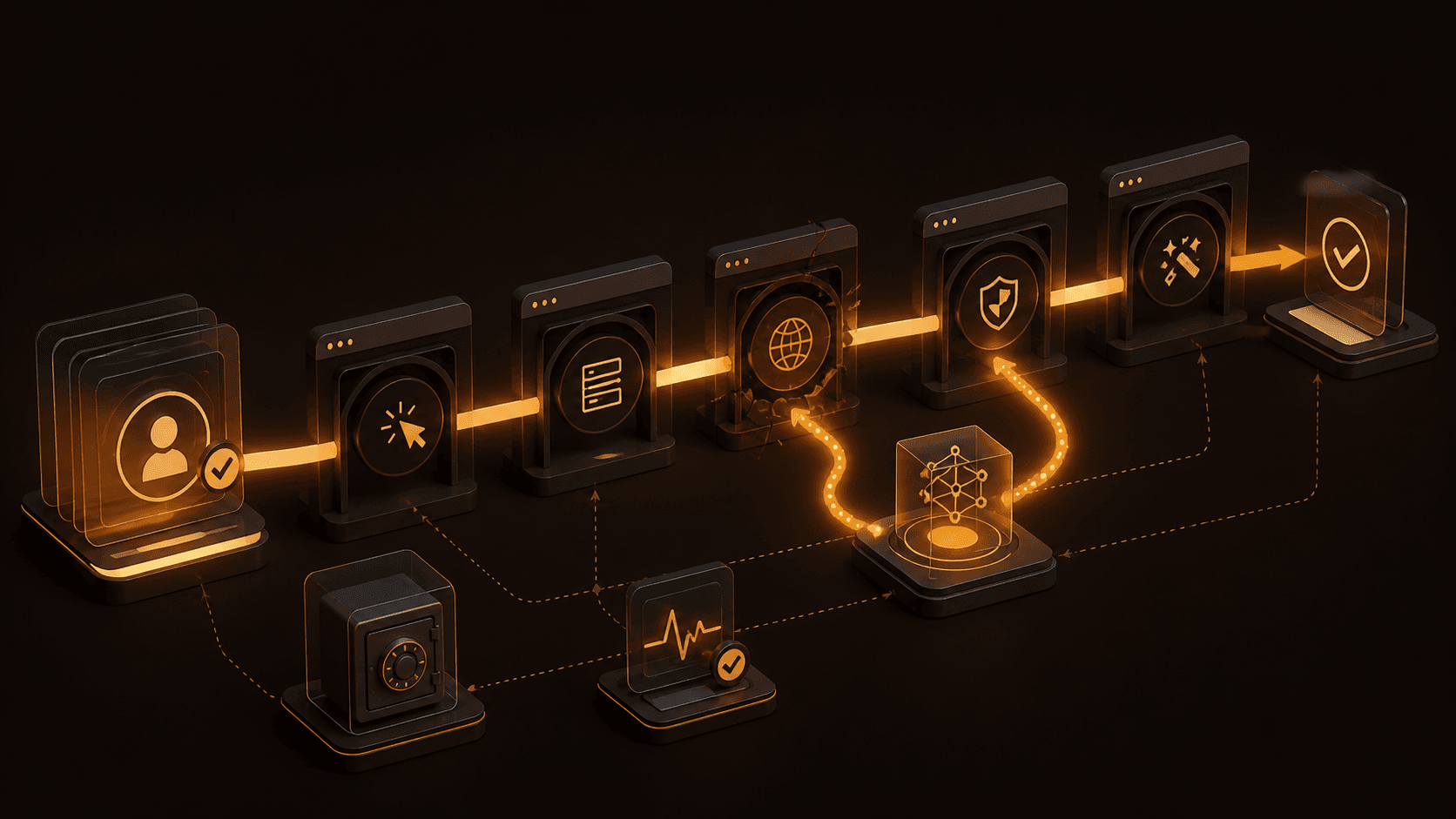
Why Browser Automations Fail in Production, and How Champ Keeps Them Running
Production browser automation needs more than a successful agent demo. Learn how deterministic execution, AI recovery, authentication, and profile pools keep real workflows running.