
GUIDES
Clear answers for consequential automation decisions.
Practical guidance for choosing, building, and operating automation across the systems your business depends on.

Featured guides
Last updated:NOV 10

Presumptive Eligibility for Medicaid: Pregnant Women, Children and Hospital PE
Presumptive eligibility gives a patient temporary Medicaid from the day a qualified provider or hospital screens them until the state decides the full application. Here is who qualifies, how long it lasts, and how to verify and bill it.
Qualified Medicare Beneficiary (QMB) Billing: What You Can't Collect and How to Spot QMB Status
Federal law bars every Medicare provider from billing a Qualified Medicare Beneficiary for Part A and B cost sharing. Here's how to spot QMB status on a 271, the remittance and a state Medicaid check, and what you can still bill.
More guides
Dual Eligible Billing: Which Plan Is Primary, Crossover Claims and D-SNP Types
Medicare pays first for dual eligible patients, and Medicaid pays after. Here's how full and partial duals differ, how crossover claims reach Medicaid, and what each type of dual eligible special needs plan changes for billing.

Medicaid as Secondary Insurance: Third Party Liability and Coordination of Benefits
Medicaid pays after every other liable payer. How cost avoidance and pay and chase work, where other coverage appears on the eligibility check, and how to fix stale TPL records.
Medi-Cal Aid Codes: How to Read Them on an Eligibility Check
Medi-Cal aid codes tell you which program a member is eligible under, what scope of services it covers and whether a share of cost applies. Here's where to find them and how to read them.

Medicaid Spend-Down and Share of Cost: How to Verify It and Bill
A medically needy spend-down means the patient pays part of their medical bills before Medicaid pays. Here's how the federal rule works, and how Medi-Cal share of cost is cleared, certified and billed.

Behavioral Health Carve-Outs: How to Verify Mental Health Benefits and Copays
When a plan carves out mental health benefits to a separate administrator, a standard eligibility check often misses the copay. Here is how to find the right entity and verify the benefit before the visit.

Prior Authorization Turnaround Times: What CMS Requires Payers to Meet
Under CMS-0057-F, most Medicare Advantage and Medicaid plans must decide prior authorizations within 7 days, or 72 hours when urgent. This guide covers who the rule applies to, when payers can extend, and how to keep requests moving.

Can You Share a Payer Portal Login? MFA, User Accounts and Credential Rotation
Payer portals like Availity and UnitedHealthcare require a separate login for every user. Here's how to handle administrators, billing vendors, MFA and password changes.
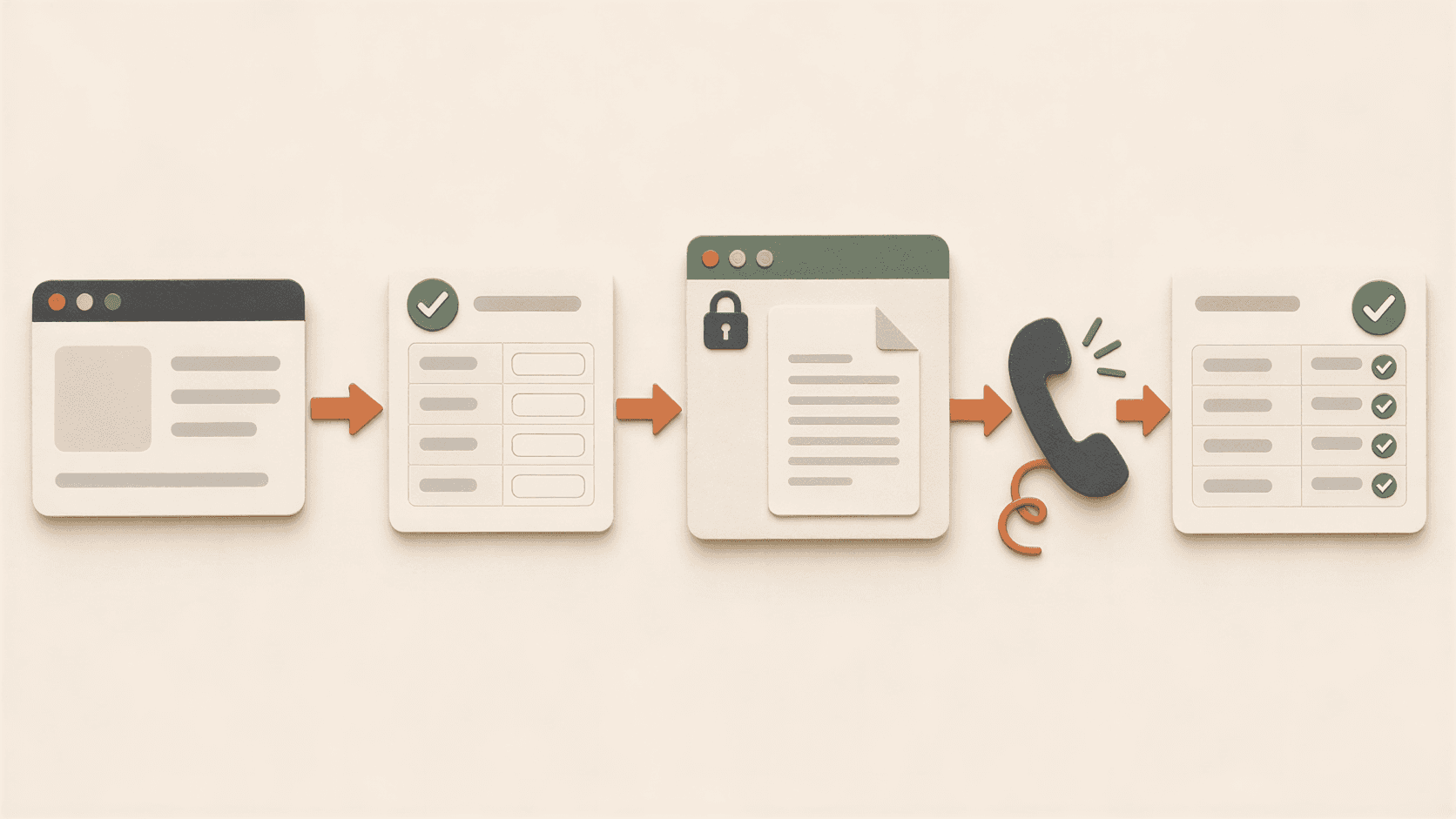
Payers Without an API: How RCM Software Gets Eligibility, Claim Status, and Prior Auth Answers
HIPAA standardizes the format of eligibility, claim status and prior auth transactions, not how much detail comes back. Here is what X12, CMS-0057-F APIs, portals and phone each return, and how to set a fallback order per payer.
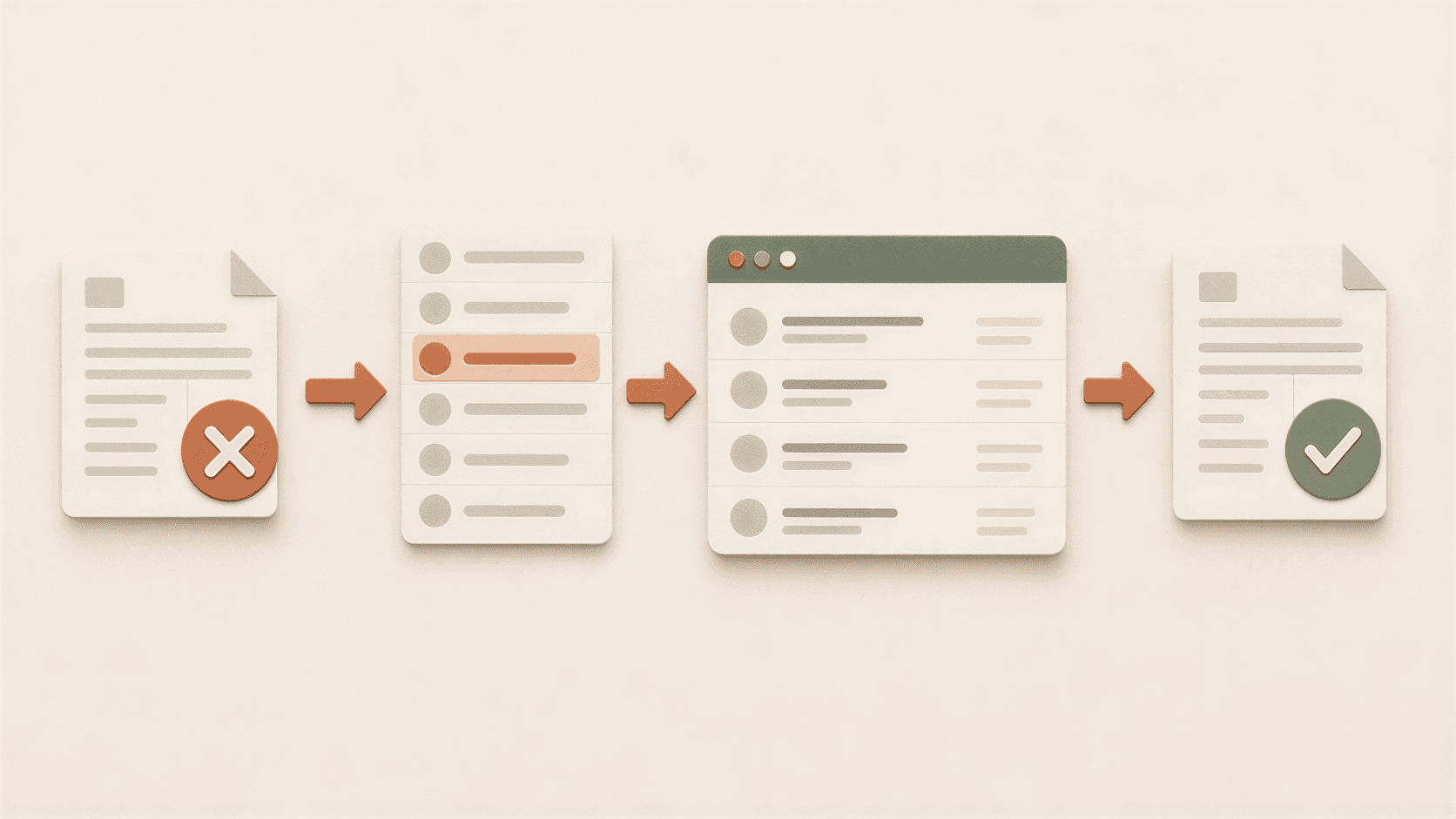
Why In-Network Claims Deny as Out-of-Network: Enrollment and Roster Errors
Out-of-network denials for contracted providers can trace to the payer's provider record or the member's plan. How to read the codes, fix the record and get claims reprocessed.

Primary Source Verification in Credentialing: What NCQA Requires and Where to Check
What NCQA-accredited plans and CVOs must verify at the source for each clinician, how recent each check must be, and why credentialing files come back.

What a 271 Eligibility Response Leaves Out, and When to Check the Payer Portal
A 271 can show active coverage and still leave out the copay, visit limit or auth answer. What payers must return, what they may skip, and when to check the portal.

Cost per Claim at an RCM Outsourcer: How to Calculate It and What Drives It
Cost per claim is your fully loaded operating cost divided by claims worked to resolution. Here is how to build the number and break it down by workflow, channel, client and payer.

How Often Should You Verify Insurance Eligibility? Timing and Re-Checks
When to check eligibility before a visit, how often to re-check recurring patients, and the dates in the year when coverage is most likely to change.

Medical Necessity Documentation: What Payers Look for in Notes and Records Requests
What Medicare reviewers look for in therapy, behavioral health and home health records, and how to answer payer, patient and attorney records requests before the deadline.

HIPAA Audit Logs and BAAs for Automated Workflows: What the Security Rule Requires
When an automation vendor becomes a business associate, what the BAA has to say, and what the Security Rule actually requires for audit logs and retention.
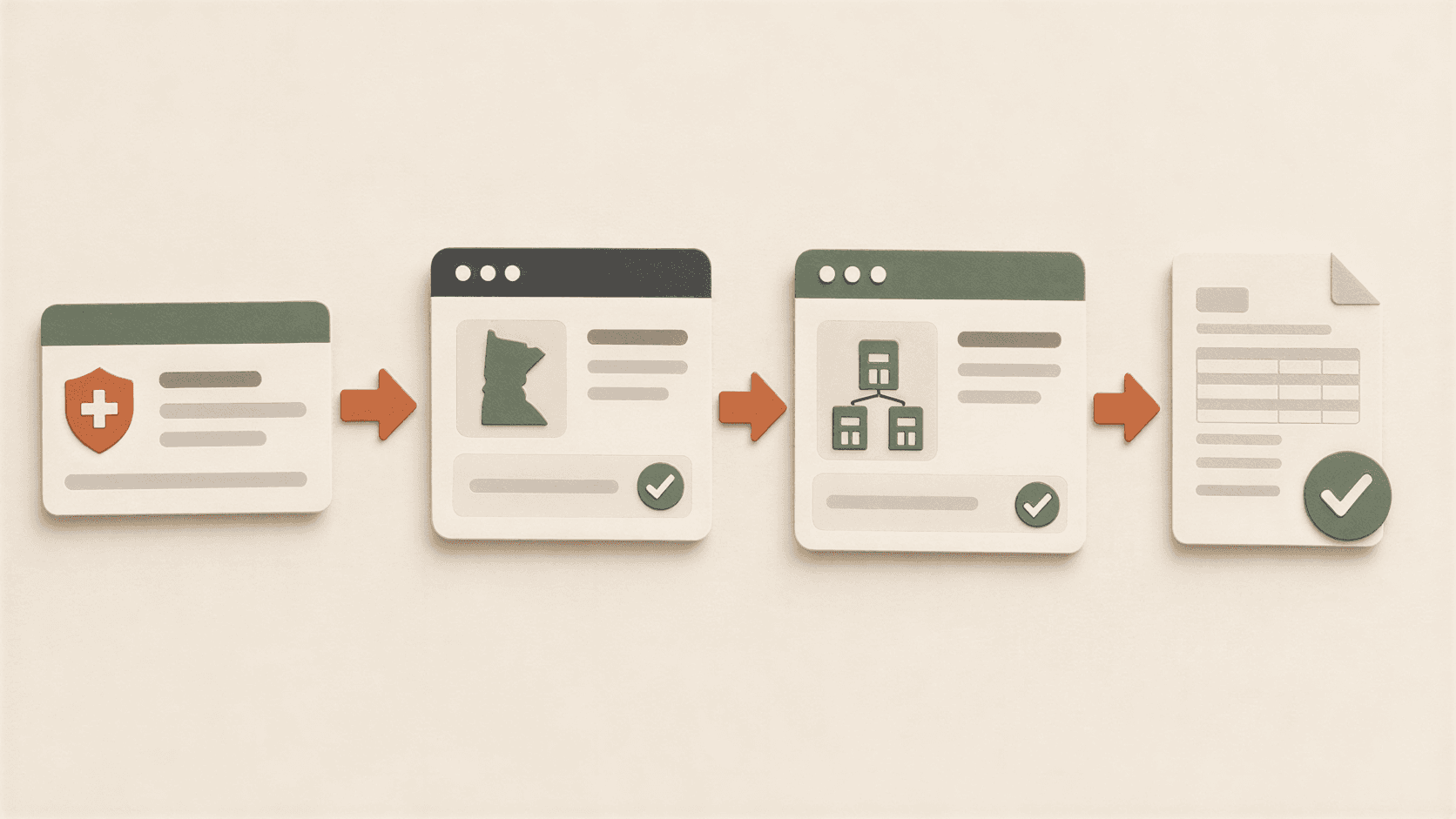
Medicaid Managed Care and IPA Assignment: Confirming Who to Bill
The state's Medicaid system names the managed care plan, but the PCP, IPA or medical group comes from the plan itself. Here's how to check both and when assignments change.

Frequency Limit Denials and Modifiers: NCCI Edits, Telehealth and the ABN
Why Medicare claims deny for frequency, which modifiers clear or trigger those edits, and when an ABN lets you bill the patient for a denied service.
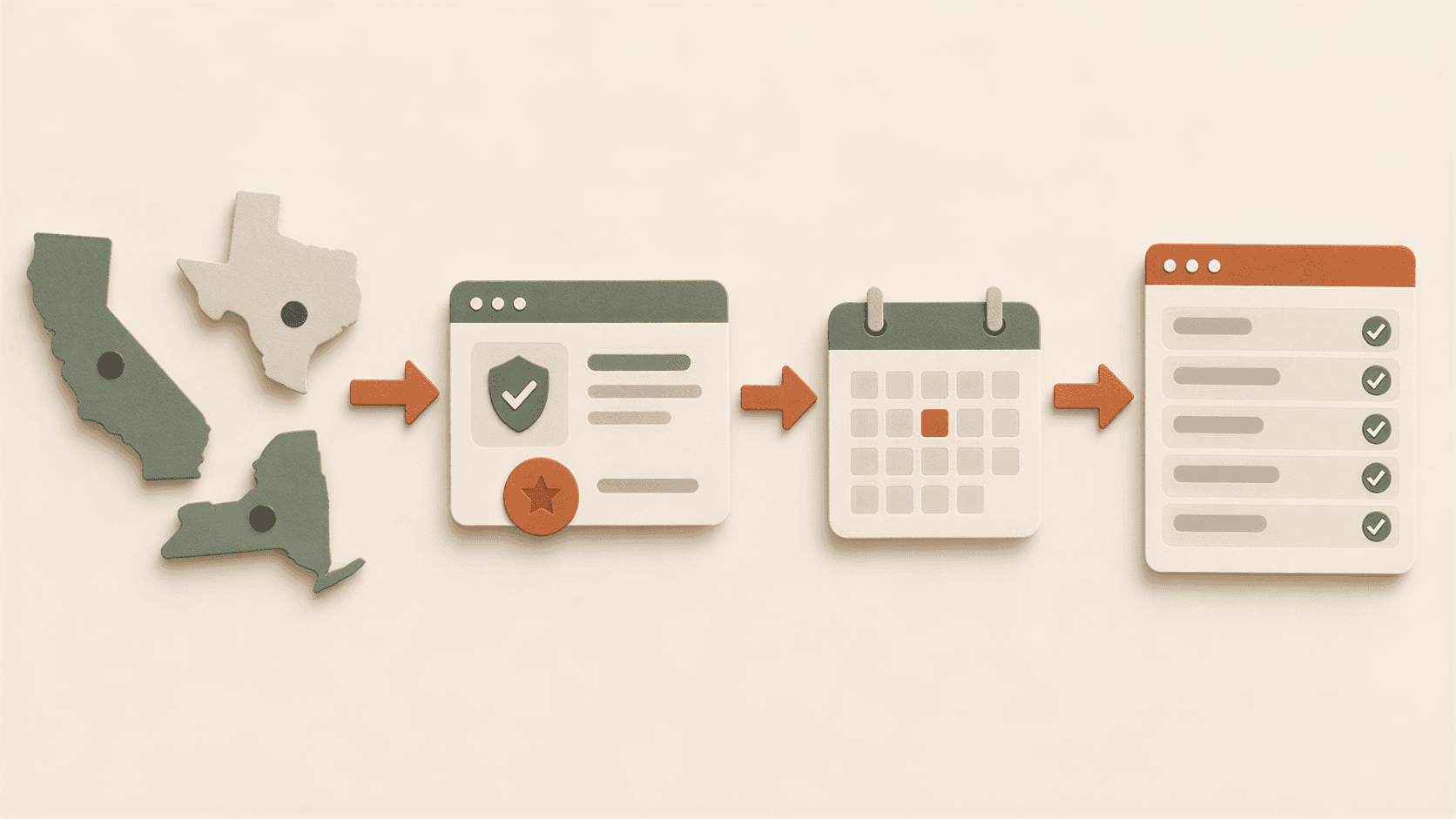
Multi-State Licensing for Clinicians: Compacts, Renewals and Tracking
Interstate compacts make multi-state practice faster, but each works differently and none puts renewals on one date. A guide to the four main compacts, state CME rules and license tracking.

Patient Cost Estimates: Good Faith Estimates and Out-of-Network Benefits
When a good faith estimate is required, what it must include, and why out-of-network patient estimates depend on an allowed amount only the payer holds.

Patient Matching on Eligibility Checks: Common Names, Wrong DOBs and Search Options
How payers match a 270 to a member, what each AAA reject code is telling you, and what to do when a referral has a common name or the wrong date of birth.

Claim Status Follow-Up: When to Check the Portal, Call the Payer, or Send a 276
Send 276s for volume, use the portal when the 277 is too vague, and call only when neither says what the payer needs. Here's how to route each claim.

Medication Prior Authorization for GLP-1s and Specialty Drugs: How It Works
How medication prior authorization differs from medical prior auth, the federal decision clocks for drugs, how electronic prior authorization works, and what plans ask for on GLP-1s, including the Medicare GLP-1 Bridge.
STAY UP TO DATE
Get the occasional
guide worth saving.
New guidance on reliable automation, enterprise operations, and choosing the right approach. No noise.