
GUIDES
Clear answers for consequential automation decisions.
Practical guidance for choosing, building, and operating automation across the systems your business depends on.
More guides

Can You Share a Payer Portal Login? MFA, User Accounts and Credential Rotation
Payer portals like Availity and UnitedHealthcare require a separate login for every user. Here's how to handle administrators, billing vendors, MFA and password changes.
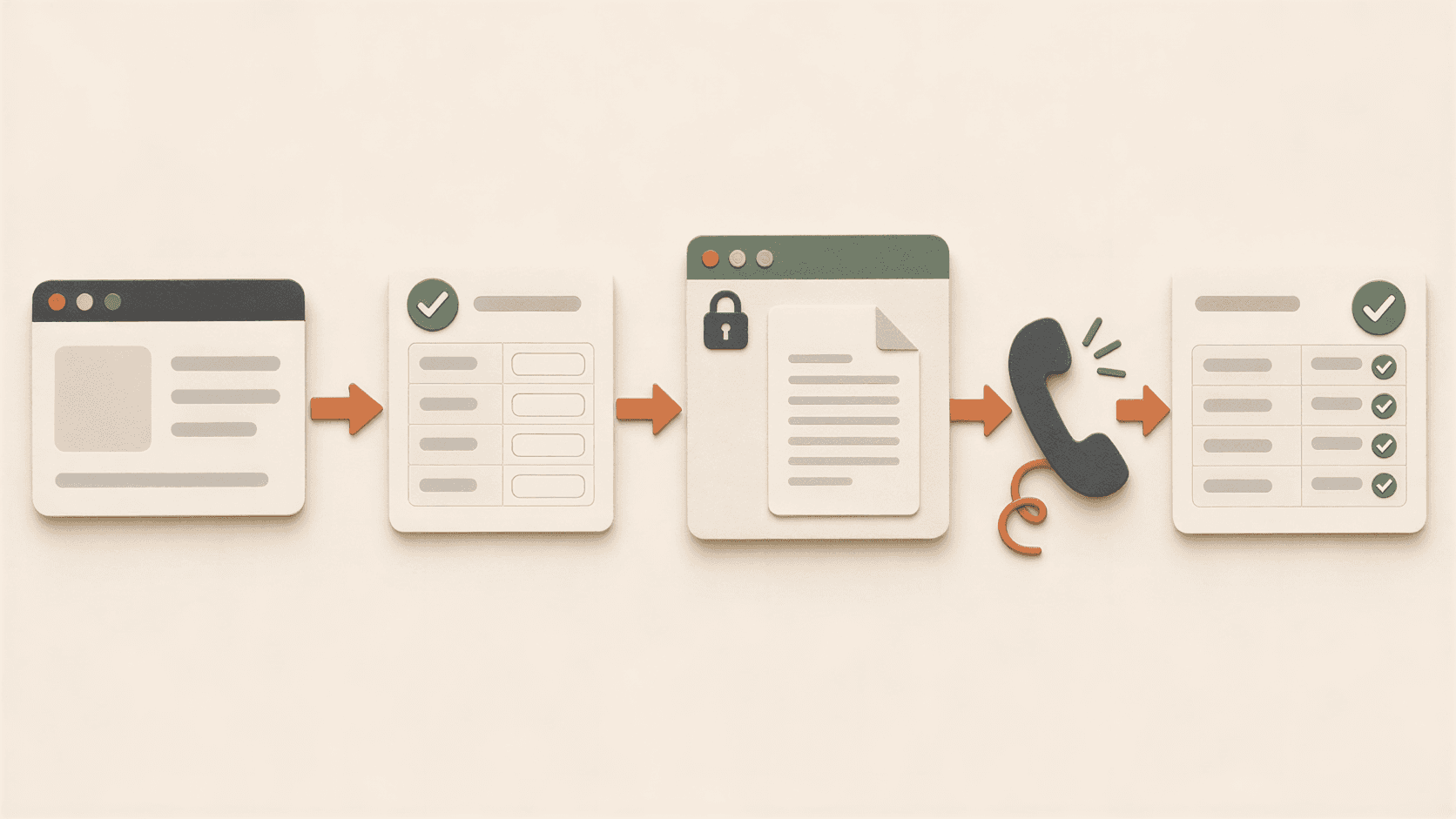
Payers Without an API: How RCM Software Gets Eligibility, Claim Status, and Prior Auth Answers
HIPAA standardizes the format of eligibility, claim status and prior auth transactions, not how much detail comes back. Here is what X12, CMS-0057-F APIs, portals and phone each return, and how to set a fallback order per payer.
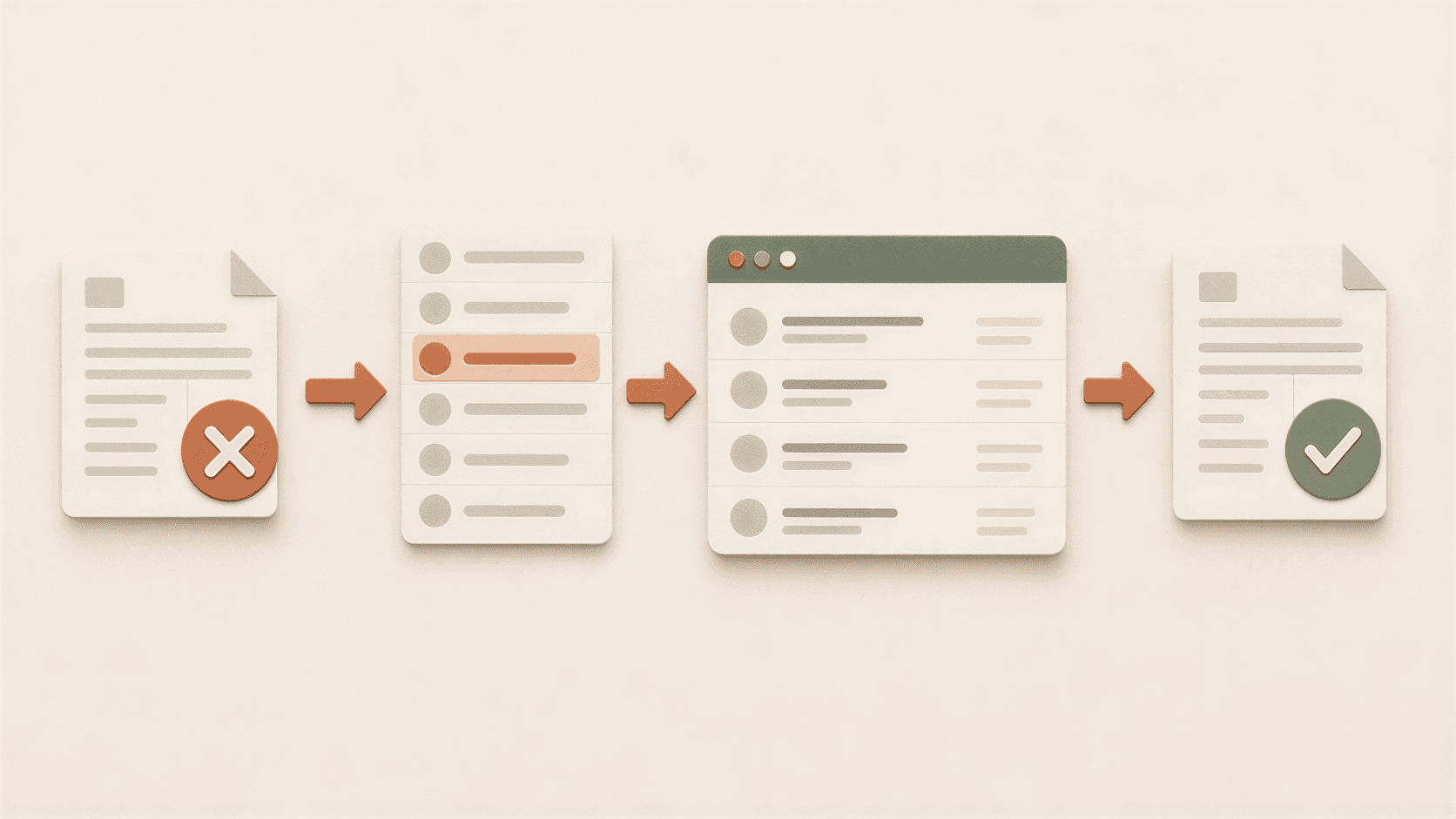
Why In-Network Claims Deny as Out-of-Network: Enrollment and Roster Errors
Out-of-network denials for contracted providers can trace to the payer's provider record or the member's plan. How to read the codes, fix the record and get claims reprocessed.

Primary Source Verification in Credentialing: What NCQA Requires and Where to Check
What NCQA-accredited plans and CVOs must verify at the source for each clinician, how recent each check must be, and why credentialing files come back.

What a 271 Eligibility Response Leaves Out, and When to Check the Payer Portal
A 271 can show active coverage and still leave out the copay, visit limit or auth answer. What payers must return, what they may skip, and when to check the portal.

Cost per Claim at an RCM Outsourcer: How to Calculate It and What Drives It
Cost per claim is your fully loaded operating cost divided by claims worked to resolution. Here is how to build the number and break it down by workflow, channel, client and payer.

How Often Should You Verify Insurance Eligibility? Timing and Re-Checks
When to check eligibility before a visit, how often to re-check recurring patients, and the dates in the year when coverage is most likely to change.

Medical Necessity Documentation: What Payers Look for in Notes and Records Requests
What Medicare reviewers look for in therapy, behavioral health and home health records, and how to answer payer, patient and attorney records requests before the deadline.

HIPAA Audit Logs and BAAs for Automated Workflows: What the Security Rule Requires
When an automation vendor becomes a business associate, what the BAA has to say, and what the Security Rule actually requires for audit logs and retention.
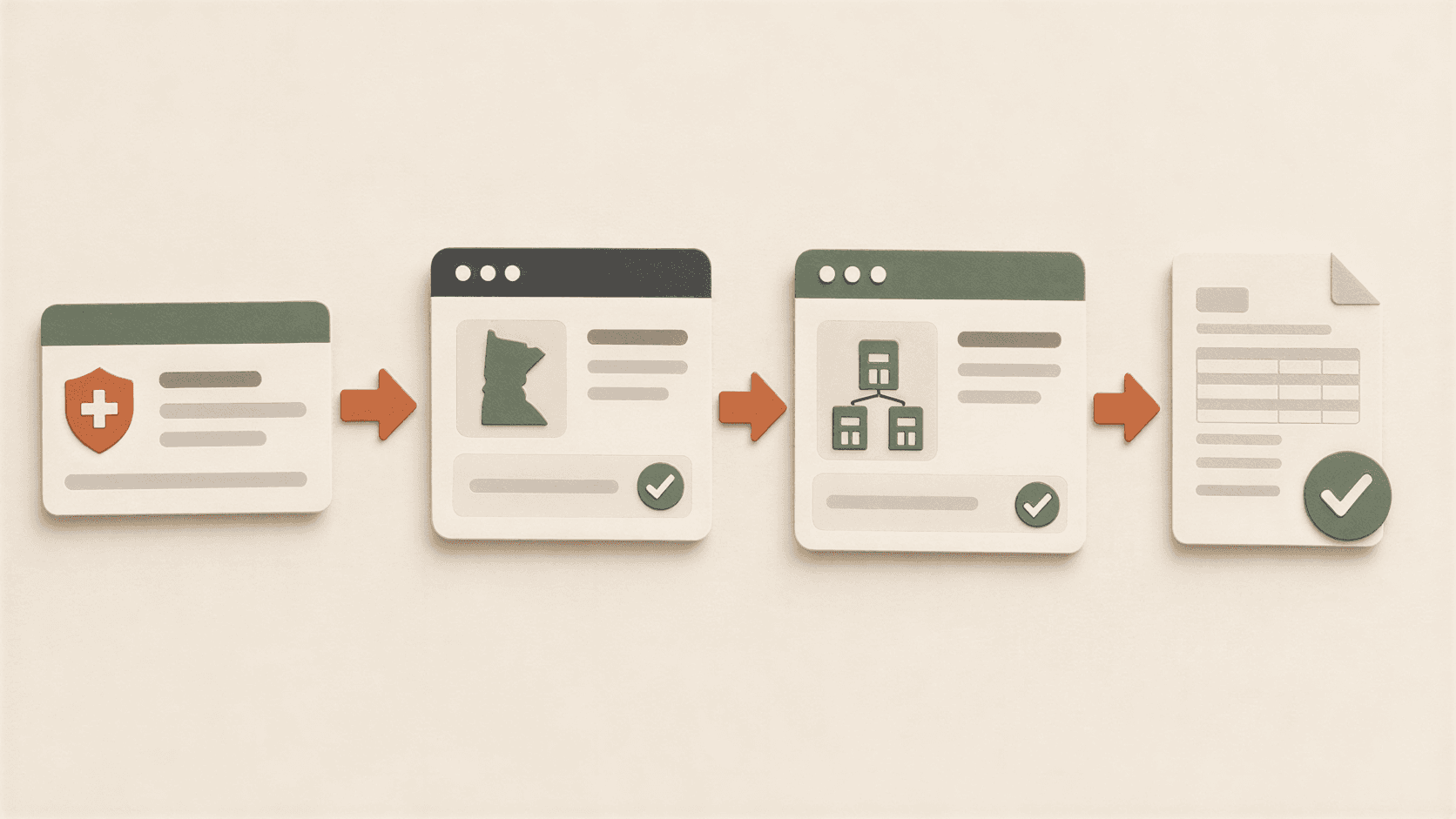
Medicaid Managed Care and IPA Assignment: Confirming Who to Bill
The state's Medicaid system names the managed care plan, but the PCP, IPA or medical group comes from the plan itself. Here's how to check both and when assignments change.

Frequency Limit Denials and Modifiers: NCCI Edits, Telehealth and the ABN
Why Medicare claims deny for frequency, which modifiers clear or trigger those edits, and when an ABN lets you bill the patient for a denied service.

Multi-State Licensing for Clinicians: Compacts, Renewals and Tracking
Interstate compacts make multi-state practice faster, but each works differently and none puts renewals on one date. A guide to the four main compacts, state CME rules and license tracking.

Patient Cost Estimates: Good Faith Estimates and Out-of-Network Benefits
When a good faith estimate is required, what it must include, and why out-of-network patient estimates depend on an allowed amount only the payer holds.

Patient Matching on Eligibility Checks: Common Names, Wrong DOBs and Search Options
How payers match a 270 to a member, what each AAA reject code is telling you, and what to do when a referral has a common name or the wrong date of birth.

Claim Status Follow-Up: When to Check the Portal, Call the Payer, or Send a 276
Send 276s for volume, use the portal when the 277 is too vague, and call only when neither says what the payer needs. Here's how to route each claim.

Medication Prior Authorization for GLP-1s and Specialty Drugs: How It Works
How medication prior authorization differs from medical prior auth, the federal decision clocks for drugs, how electronic prior authorization works, and what plans ask for on GLP-1s, including the Medicare GLP-1 Bridge.

ERA Posting and Payment Reconciliation: 835s, EFTs and What Auto-Posting Misses
How the 835 and the EFT are tied together, which fields to match, how long to wait for the missing half, and the exceptions auto-posting leaves behind.

Payer Enrollment Timelines: How Long Credentialing Takes and What Slows It
Medicare publishes processing targets for enrollment applications, and other payers set their own. This guide covers each step, where applications stall, and how to track them.

How to Map Payer-Facing Work at a Billing Company: Volume, Touches, and Channel
List each payer-facing workflow, then count requests, touches per request and the channel that finished each one. The map shows which work falls back to your staff and which payers drive it.

Medicaid Six-Month Renewals and Work Requirements: What Changes for Health Centers in 2027
From 2027, Medicaid expansion adults renew every six months and most must meet work requirements. What the federal rules require, how ten states are rolling them out, and what health centers can do now.

MassHealth Six-Month Renewals and Work Requirements: What to Expect in 2027
MassHealth starts six-month renewals and work requirements on January 1, 2027, with current members affected at their first 2027 renewal. Here are the dates, look-back, exemptions and what's still open.

Who Has to Meet MO HealthNet Work Requirements in 2027?
Missouri starts MO HealthNet community engagement requirements on January 1, 2027, and moves the Adult Expansion Group to six-month renewals in 2027. Here are the dates, look-back, exemptions and what DSS hasn't said yet.

Apple Health Six-Month Renewals and Work Requirements: A Guide for Washington Clinics
Apple Health for Adults moves to six-month renewals and work requirements on January 1, 2027, with self-attestation accepted through 2027. Here's what HCA has decided and what's still open.

How Will Illinois Medicaid Handle Six-Month Redeterminations and Work Requirements?
Illinois ACA Adults meet work requirements and move to six-month renewals at their first 2027 redetermination, starting with March 2027 renewals. Here's how HFS will check them and what it asks of health centers.

When Do Medi-Cal Six-Month Renewals Start? What Counties Will Do in 2027
Medi-Cal moves expansion adults to six-month renewals starting with March 2027 renewals, and checks work requirements at application from January 1, 2027. Here's what DHCS has told counties and what's still open.
STAY UP TO DATE
Get the occasional
guide worth saving.
New guidance on reliable automation, enterprise operations, and choosing the right approach. No noise.